Managing Anxiety about the COVID Vaccine
Marlene Kurban • March 30, 2021
Anxiety can stem from fears about the vaccine’s safety, getting a shot, or not knowing or not having control over when it will be available. Here are some ways to manage vaccine anxiety:
- Stay informed and research credible sources. There is a lot of misinformation on the Internet about vaccinations in general. Be cautious about your sources for news and information. Up-to-date information about the COVID-19 vaccines, side effects, benefits, and answers to common and frequently asked questions are available on the CDC website.
- Follow recommended guidelines to keep yourself safe. Even when you’re vaccinated, take precautions to keep yourself and your family safe by wearing masks, maintaining social distance, and washing your hands frequently. Follow CDC guidelines regarding traveling, gatherings, and engaging in other activities that can spread the virus.
- Make self-care a priority and consistently practice ways to manage stress. Anxiety can result from feeling a lack of control and uncertainty, and the pandemic has been the perfect storm of both. Besides getting enough sleep, eating healthy foods, and exercising, make time every day for an activity you enjoy.
The post Managing Anxiety about the COVID Vaccine appeared first on InterCommunity.

We are proud to officially announce that InterCommunity Health Care has been named a National and Regional Top Workplace once again thanks to staff feedback!

National Recovery Month is an annual campaign held every September to promote evidence-based treatment and recovery practices and support those on the recovery path.

August is National Immunization Awareness Month, a time to highlight the important role vaccines play in protecting people of all ages from preventable diseases.

For those struggling with substance use, asking for help can be a hard step to take; and knowing where to start and where to turn can feel overwhelming. InterCommunity is here to be that first step.

InterCommunity is hosting an all-day community event on 8/6 to celebrate National Health Center Week! Read the history of NHCW and learn more about this free event.
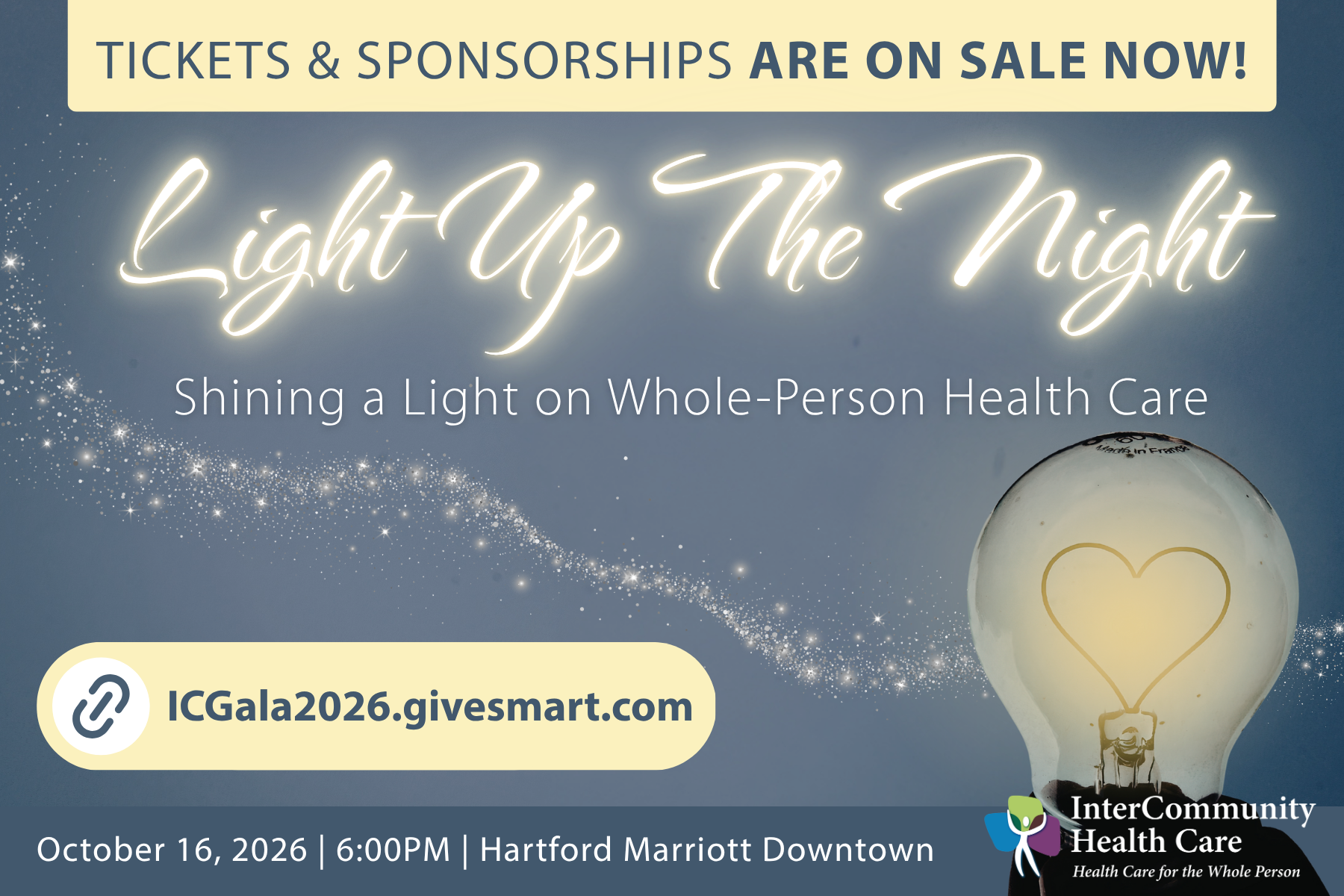
InterCommunity is excited to invite you to support our mission at our annual Signature Gala Event!

InterCommunity emphasizes the importance of mental health alongside physical health. Post-Traumatic Stress Disorder (PTSD) illustrates the significance of this work.

Men avoid going to the doctor even when they think they should. While skipping an appointment might seem harmless, it can mean missing signs of serious conditions.

Men's Health Month is the perfect time to focus on your well-being and ensure you're on track for a healthy future with these five important health screenings.
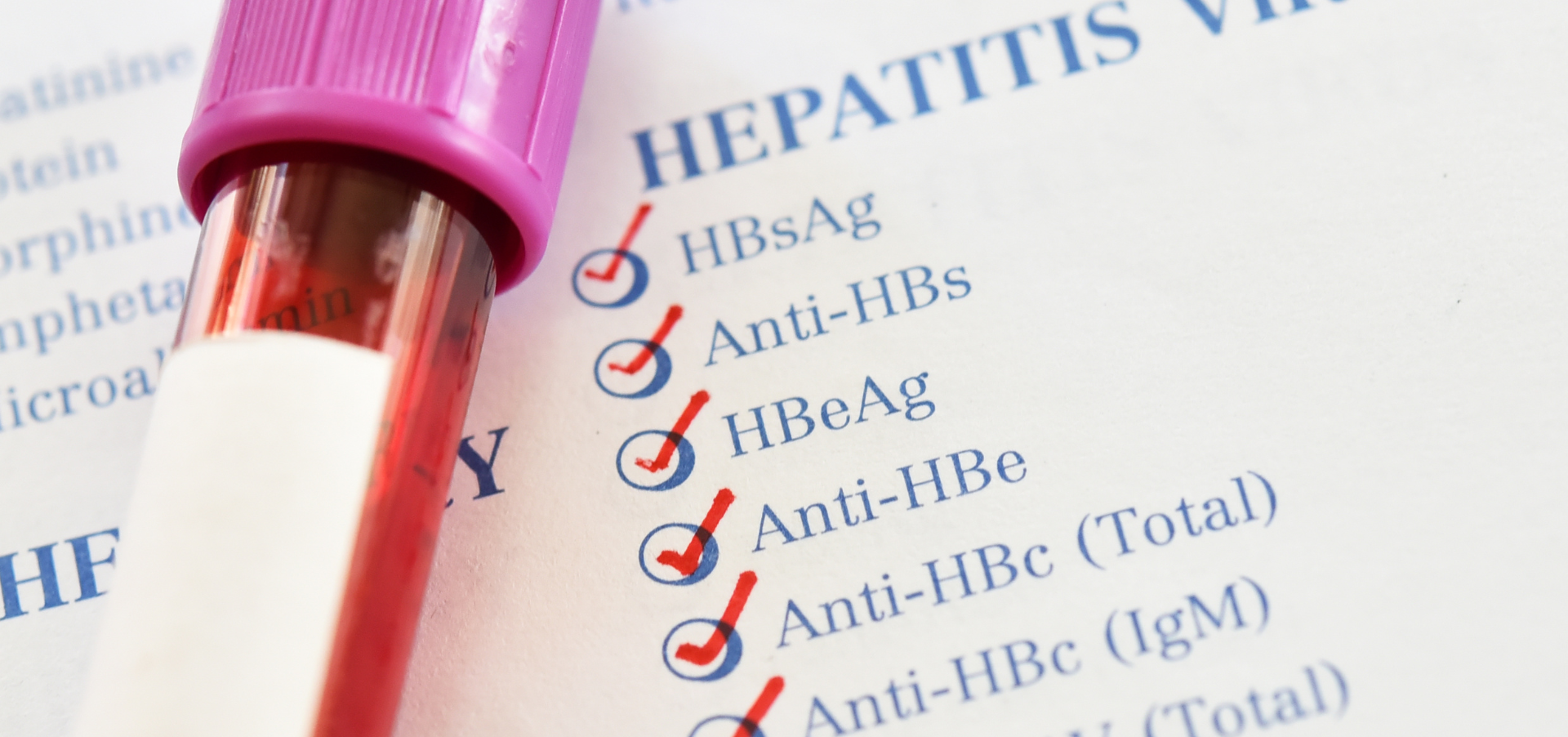
Hepatitis C is often called a “silent” disease because many people who carry the virus feel perfectly healthy, often for years. Yet beneath the surface, the infection can slowly damage the liver as it progresses, leading to serious complications such as cirrhosis, liver failure, or liver cancer. The good news is...