The Link Between Diet and Breast Cancer
Marlene Kurban • October 11, 2021
Nutrition can have an impact on the risk of developing many types of cancer. The American Cancer Society recommends maintaining a healthy weight and eating a diet rich in fruits, vegetables, and whole grains to reduce the risk of breast cancer. Try to limit or avoid highly processed foods such as bacon, deli meat, sausage, refined grains, sugary beverages, and alcohol. Not sure how to get started?
- Try small but consistent changes in your diet. Eating well doesn’t have to be boring or expensive. The basics of healthy eating include fruits and vegetables, lean meats and plant-based sources of protein, less processed food, less sugar, and avoidance of foods with trans fats.
- Engage in physical activity at least 150 minutes per week. Consult your doctor if you haven’t been active or are concerned about your health. Find an activity you enjoy, such as walking, biking, gardening, or swimming.
- Maintain a healthy weight. Even a weight loss of 2 to 5 percent of your body weight can improve your blood sugar levels, blood pressure, and energy level, and reduce the risk of certain cancers.
The post The Link Between Diet and Breast Cancer appeared first on InterCommunity.

Thank you for lighting up the night with us at InterCommunity's 2026 Fundraising Gala!
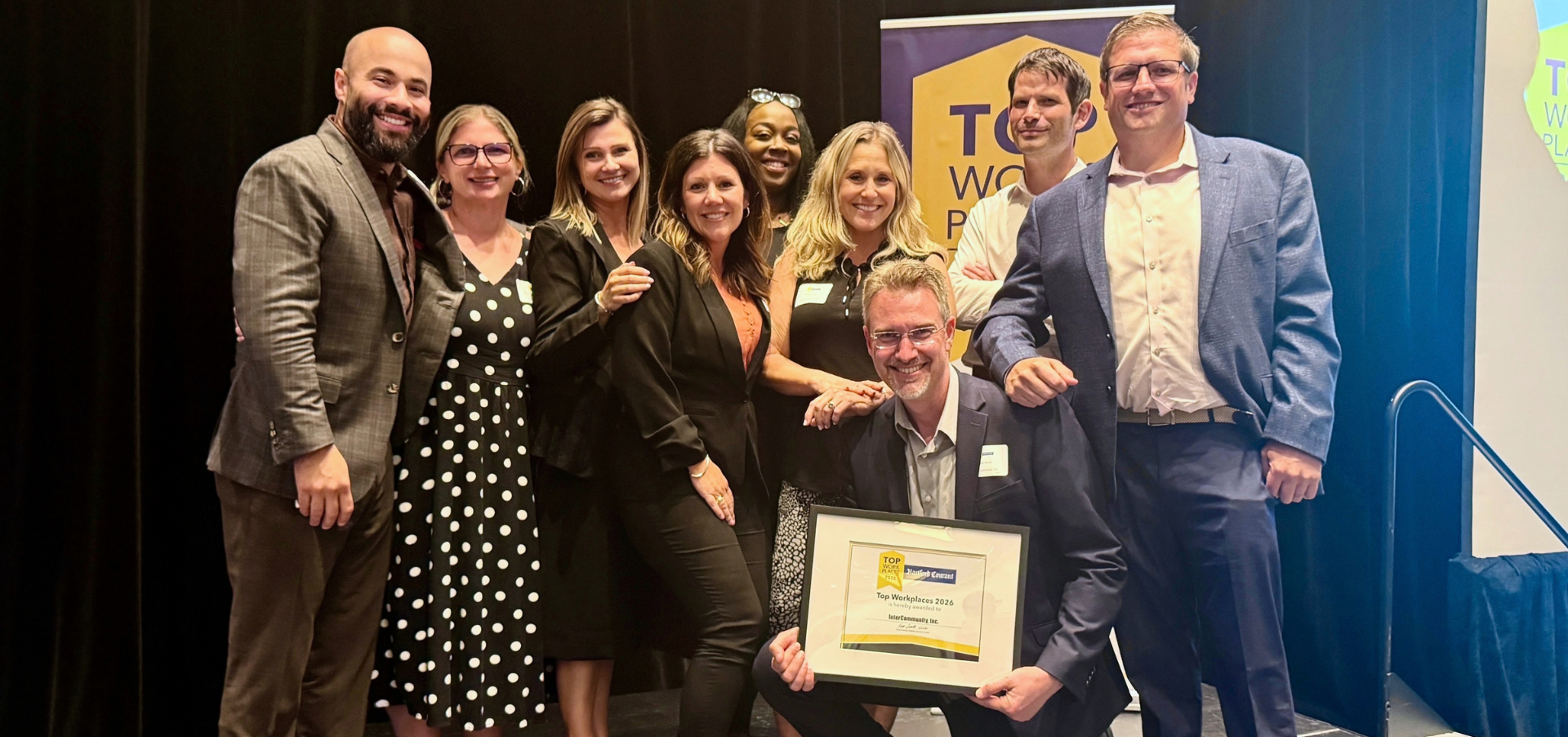
We are proud to officially announce that InterCommunity Health Care has been named a National and Regional Top Workplace once again thanks to staff feedback!

National Recovery Month is an annual campaign held every September to promote evidence-based treatment and recovery practices and support those on the recovery path.

August is National Immunization Awareness Month, a time to highlight the important role vaccines play in protecting people of all ages from preventable diseases.

For those struggling with substance use, asking for help can be a hard step to take; and knowing where to start and where to turn can feel overwhelming. InterCommunity is here to be that first step.

InterCommunity is hosting an all-day community event on 8/6 to celebrate National Health Center Week! Read the history of NHCW and learn more about this free event.
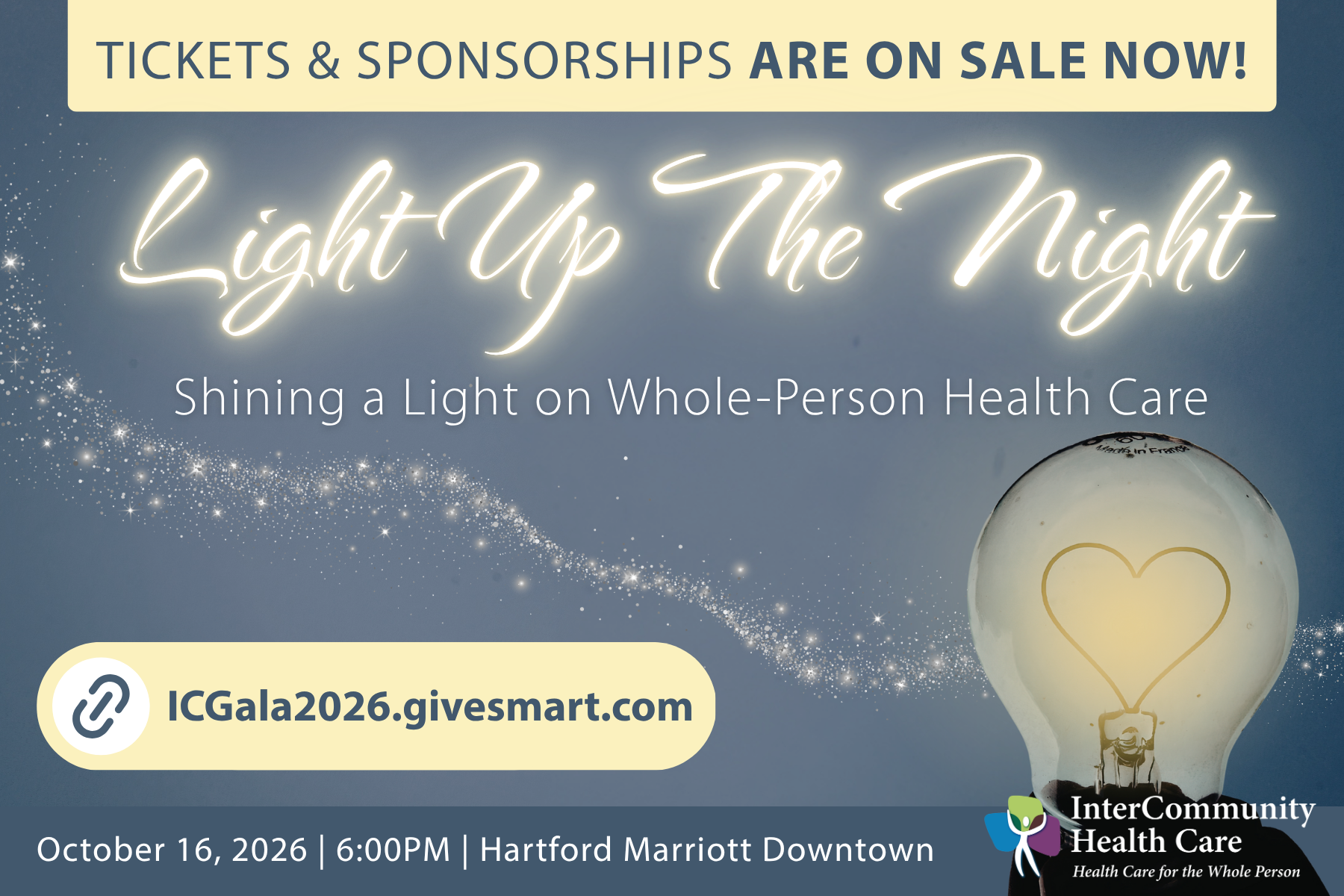
InterCommunity is excited to invite you to support our mission at our annual Signature Gala Event!

InterCommunity emphasizes the importance of mental health alongside physical health. Post-Traumatic Stress Disorder (PTSD) illustrates the significance of this work.

Men avoid going to the doctor even when they think they should. While skipping an appointment might seem harmless, it can mean missing signs of serious conditions.

Men's Health Month is the perfect time to focus on your well-being and ensure you're on track for a healthy future with these five important health screenings.