Protecting Your Partner

Marlene Kurban • December 7, 2021

Getting and keep an undetectable viral load is the best thing you can do to stay healthy and protect others. If you take HIV medicine and get and keep an undetectable viral load, you have effectively no risk of transmitting HIV to an HIV-negative partner through sex.

A few people cannot get an undetectable viral load even though they take HIV medicine as prescribed. If your viral load is not undetectable—or does not stay undetectable—you can still protect your partners by using other prevention options.

For example you can encourage your partner to take PrEP, a medicine that people at risk for HIV take to prevent HIV. If taken as prescribed, PrEP is highly effective for preventing HIV from sex and injection drug use.

Condoms are highly effective in preventing HIV and other sexually transmitted diseases (STDs), like gonorrhea and chlamydia. Use water-based or silicone-based lubricants to help prevent condoms from breaking or slipping during sex.

Another option is to choose sexual activities with little to no risk. You can’t transmit HIV through sexual activities that don’t involve contact with body fluids (semen, vaginal fluid, or blood).

Get tested and treated for other sexually-transmitted diseases (STDs). If you get and keep an undetectable viral load, getting an STD does not appear to increase the risk of transmitting HIV. But STDs can cause other problems. If you have a detectable viral load, getting tested and treated for other STDs can help lower your chances of transmitting HIV.

Source: https://www.cdc.gov/hiv/basics/livingwithhiv/protecting-others.html

The post Protecting Your Partner appeared first on InterCommunity.

A boy high fives a doctor with a bandaid on his shoulder, presumably after getting a vaccination.
August 26, 2026
August is National Immunization Awareness Month, a time to highlight the important role vaccines play in protecting people of all ages from preventable diseases.
An open road with a forward arrow against a blue sky and sunshine.
August 12, 2026
For those struggling with substance use, asking for help can be a hard step to take; and knowing where to start and where to turn can feel overwhelming. InterCommunity is here to be that first step.
A girl and a doctor smile and touch hands.
July 28, 2026
InterCommunity is hosting an all-day community event on 8/6 to celebrate National Health Center Week! Read the history of NHCW and learn more about this free event.
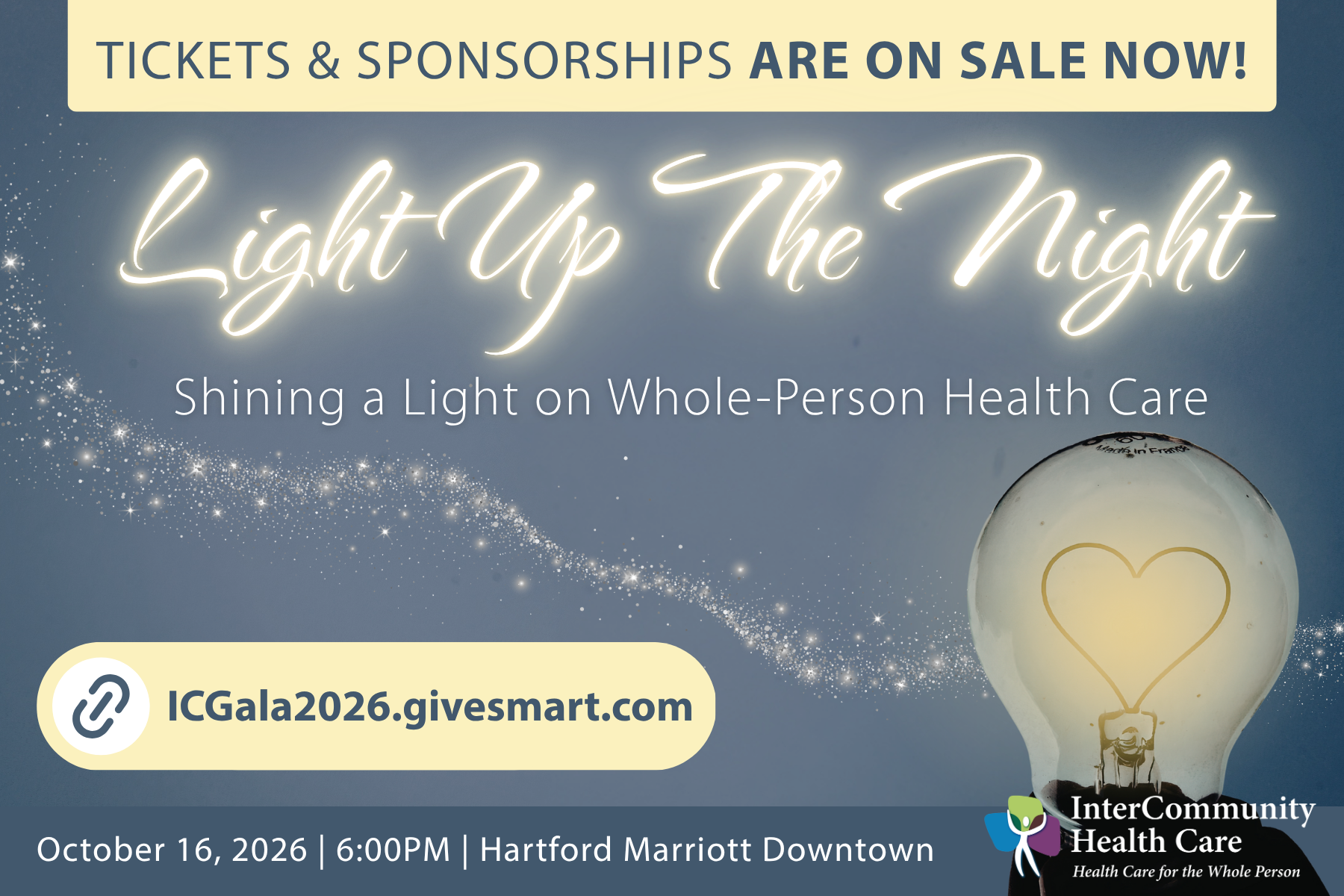
2026 Light Up the Night Gala graphic that lists event information and shows a lightbulb with a heart
July 27, 2026
InterCommunity is excited to invite you to support our mission at our annual Signature Gala Event!
A therapist speaks with a patient.
June 23, 2026
InterCommunity emphasizes the importance of mental health alongside physical health. Post-Traumatic Stress Disorder (PTSD) illustrates the significance of this work.
A male doctor and a male patient both smiling.
June 23, 2026
Men avoid going to the doctor even when they think they should. While skipping an appointment might seem harmless, it can mean missing signs of serious conditions.
Stock image of three men being friendly and smiling at a gym.
June 8, 2026
Men's Health Month is the perfect time to focus on your well-being and ensure you're on track for a healthy future with these five important health screenings.
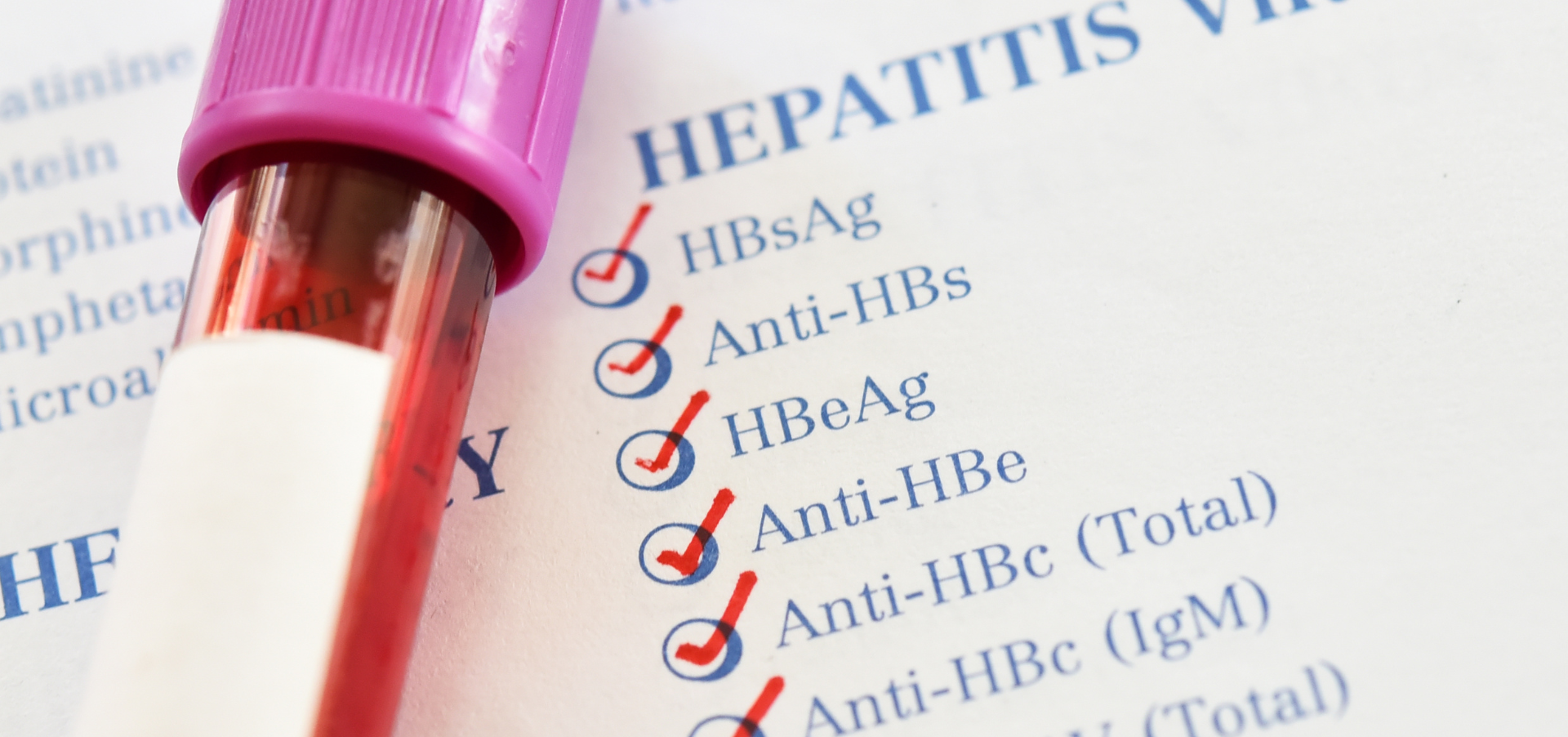
A blood draw test tube next to  a checklist of antigens for Hepatitis testing.
May 28, 2026
Hepatitis C is often called a “silent” disease because many people who carry the virus feel perfectly healthy, often for years. Yet beneath the surface, the infection can slowly damage the liver as it progresses, leading to serious complications such as cirrhosis, liver failure, or liver cancer. The good news is...
A therapist and a women sit across from each other in deep conversation.
May 28, 2026
Mental health conditions touch nearly every community, workplace, and family in America, yet many people continue to struggle in silence. According to the National Institute of Mental Health (NIMH), approximately 22.8 percent of adults — roughly one in five people — experience a diagnosable mental illness each year.
A photo of a nurse giving a check up o a young girl with her mother beside her at a clinic.
April 23, 2026
April is National Minority Health Month, highlighting the ongoing health disparities that disproportionately impact communities across the United States.