Unveiling Hope: A Surprising Revelation on Addiction Recovery

Analis Pedroso • September 11, 2023

A timely message from Dr. Chad McDonald, DO, FACOFP, FAOAAM,

Chief Medical Officer at InterCommunity Health Care, Addiction Specialist and Family Medicine Osteopathic Physician

As we embark on National Addiction Recovery Month, it never ceases to amaze me how many patients and their loved ones remain unaware of the array of medications available to aid individuals grappling with addiction. In a world where information is at our fingertips, the lack of awareness about FDA-approved addiction recovery medications is surprising and concerning.


Addiction is a formidable adversary, affecting individuals, their families, and communities. Yet, there's a beacon of hope that often goes unnoticed: medications designed to alleviate the struggles that come with addiction. Astonishingly, many people are unaware of these treatments that can provide the necessary support during the arduous journey to recovery.


Take opioids, a class of drugs notorious for their addictive potential. The fact that medications like buprenorphine and methadone exist, capable of mitigating withdrawal symptoms and cravings, still remains a hidden gem for many. These medications are like life jackets in the tumultuous sea of opioid addiction, allowing individuals to regain control of their lives without the constant tug of cravings.


Alcohol use disorder, another prevalent challenge, can be addressed with medications such as naltrexone and acamprosate. These medications work by altering brain chemistry, reducing the appeal of alcohol, and helping to curb the desire to drink excessively. The idea that there are medications specifically designed to support those battling alcohol addiction is a revelation that could potentially change the trajectory of countless lives.


Even tobacco addiction, often overlooked in discussions of addiction, has not been left without medical aid. Nicotine replacement therapies and prescription medications like varenicline offer a multifaceted approach to quitting smoking by minimizing withdrawal symptoms and reducing the rewarding effects of nicotine. To think that these tools are available for those trying to break free from tobacco's grip is a message that needs to be amplified.


As a doctor, my goal is to heal and empower. The surprising reality is that many individuals struggling with addiction and their families are unaware that these medications exist, ready to provide substantial support in their recovery journey. This National Addiction Recovery Month, let us shed light on these lesser-known heroes—FDA-approved medications that can potentially revolutionize the battle against addiction.


It's time to break down the barriers of stigma and misinformation that shroud these medications. Awareness is the first step. By acknowledging the existence and effectiveness of these treatments, we can encourage those in need to seek help without hesitation or shame. It's high time we stand together to embrace the science and compassion that underlie addiction recovery, offering a brighter, medication-assisted path toward a healthier and addiction-free life.



A therapist speaks with a patient.
June 23, 2026
InterCommunity emphasizes the importance of mental health alongside physical health. Post-Traumatic Stress Disorder (PTSD) illustrates the significance of this work.
A male doctor and a male patient both smiling.
June 23, 2026
Men avoid going to the doctor even when they think they should. While skipping an appointment might seem harmless, it can mean missing signs of serious conditions.
Stock image of three men being friendly and smiling at a gym.
June 8, 2026
Men's Health Month is the perfect time to focus on your well-being and ensure you're on track for a healthy future with these five important health screenings.
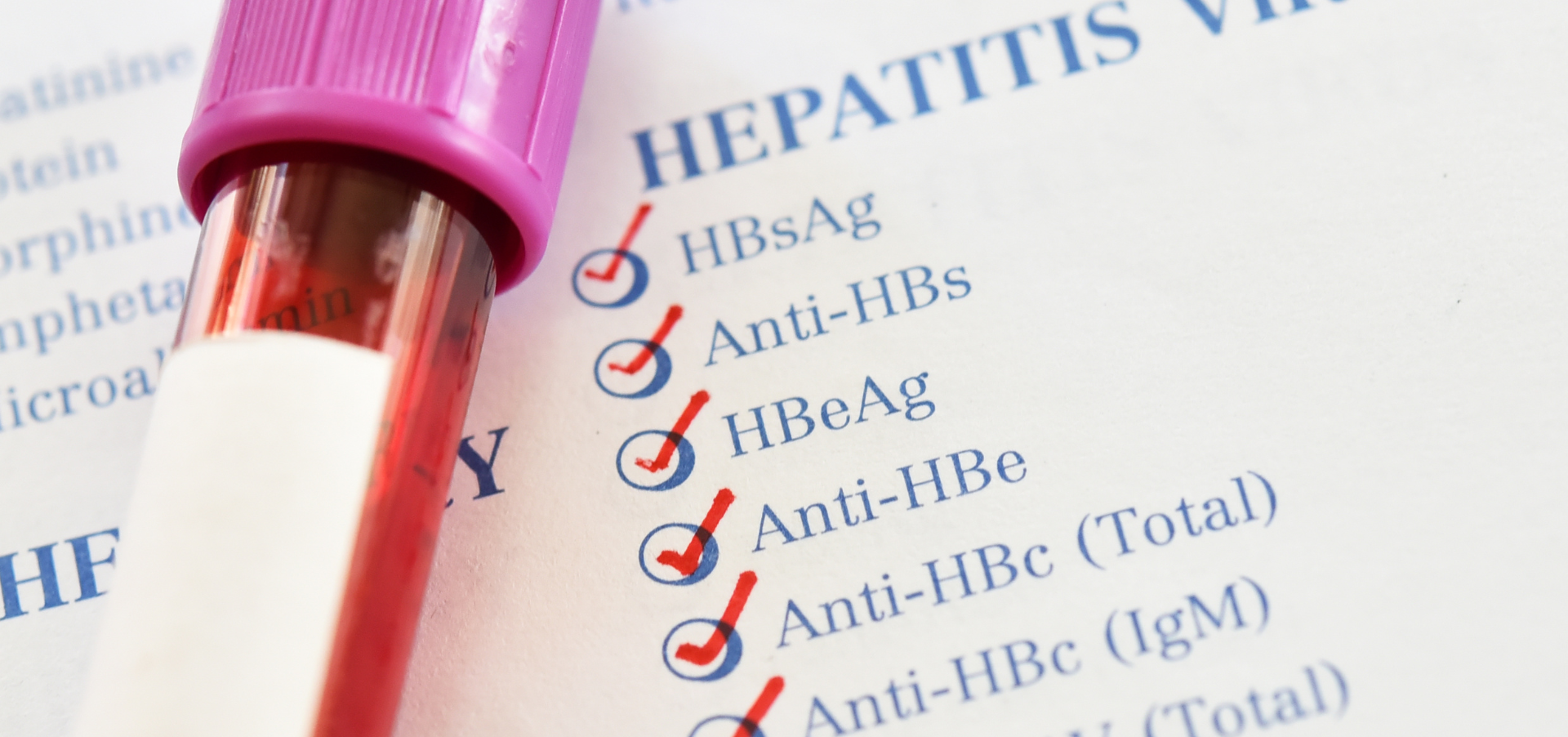
A blood draw test tube next to  a checklist of antigens for Hepatitis testing.
May 28, 2026
Hepatitis C is often called a “silent” disease because many people who carry the virus feel perfectly healthy, often for years. Yet beneath the surface, the infection can slowly damage the liver as it progresses, leading to serious complications such as cirrhosis, liver failure, or liver cancer. The good news is...
A therapist and a women sit across from each other in deep conversation.
May 28, 2026
Mental health conditions touch nearly every community, workplace, and family in America, yet many people continue to struggle in silence. According to the National Institute of Mental Health (NIMH), approximately 22.8 percent of adults — roughly one in five people — experience a diagnosable mental illness each year.
A photo of a nurse giving a check up o a young girl with her mother beside her at a clinic.
April 23, 2026
April is National Minority Health Month, highlighting the ongoing health disparities that disproportionately impact communities across the United States.
A photo of a blue sky background with a sign in the foreground that says
April 15, 2026
Chronic stress can lead to more serious conditions such as heart disease and decreased immune function. A provider can help you manage your stress effectively.
InterCommunity's New President and CEO Tyler Booth onstage at our 2025 gala.
April 1, 2026
Dear InterCommunity Staff and Community Partners, It is a privilege to assume the role of President & CEO and to lead InterCommunity during such a significant period for the nation's healthcare system. My experience over the past twenty years with many of you has highlighted that our core strength is derived not only from clinical expertise but also from the compassion, dedication, and teamwork that characterize our culture. To our staff: Thank you for being truly mission driven. Each patient you assist, every challenge you meet, and all innovations you adopt significantly impacts the lives of those who rely on our care. I am committed to actively listening, learning, and collaborating with you to ensure that you have the necessary tools, support, and recognition to thrive. To our community partners: Your collaboration is vital to achieving our shared vision of healthier and stronger communities. Together, we will strive to enhance access, improve outcomes, and address the evolving needs of those we serve. I look forward to strengthening our partnerships and exploring new opportunities for collective meaningful impact. This leadership transition presents a chance to build on our achievements, welcome innovation, and shape the future of care with integrity and excellence. I am truly grateful for the opportunity to embark on the journey ahead alongside all of you. With great appreciation, Tyler V.R. Booth, LCSW InterCommunity President and Chief Executive Officer
March 23, 2026
“Chronic kidney disease (CKD) remains one of the most serious long-term complications affecting our patient population at InterCommunity,” stated Dr. Zachary Steinbach, Medical Lead at InterCommunity Health Care. “Often called a 'silent' condition, CKD can progress for years without causing noticeable symptoms. Unfortunately, by the time symptoms appear, the disease is often in its most advanced stages.” Advanced CKD can lead to severe health consequences, including cardiovascular disease, fluid overload, and the need for dialysis or a kidney transplant. According to national health data, millions of Americans are living with CKD — and many are unaware they have it. Risk factors include diabetes, high blood pressure, obesity, and a family history of kidney disease. Given this, our recent focus at InterCommunity has been closing the diabetes care gap to help prevent these outcomes. Early intervention — through blood pressure control, blood sugar management, and healthy lifestyle choices — can significantly slow disease progression. At InterCommunity, we are committed to raising awareness, promoting early detection, and supporting patients in managing their kidney health. If you or anyone you know needs assistance with diabetes, contact InterCommunity at 860-569-5900.
March 23, 2026
Epilepsy is more common than many people realize and is often misunderstood. It is a neurological disease that affects the central nervous system and is marked by recurring seizures. These seizures occur when clusters of nerve cells in the brain send out abnormal electrical signals, briefly disrupting the brain’s usual rhythm and activity. Depending on the area of the brain involved, seizures can look very different, from brief lapses in awareness or staring spells to full-body convulsions. A diagnosis of epilepsy is typically made when a person has two or more unprovoked seizures, a single seizure with a high likelihood of recurrence, or when a specific epilepsy syndrome is identified. The International League Against Epilepsy (ILAE) classifies epilepsy as a disease rather than a disorder, underscoring its seriousness and the importance of timely, appropriate care. Epilepsy can develop at any age and has many possible causes, including genetics, brain injury, stroke, infection, or developmental conditions, though in many cases the exact cause is unknown. While seizures can be frightening, epilepsy is often manageable. Medications help control seizures in about two-thirds of people, and other treatments such as specialized diets, nerve stimulation, or surgery may be effective when medication alone is not enough. Globally, epilepsy affects an estimated 50 million people, roughly 1 in every 100 individuals. Yet stigma and misunderstanding remain significant challenges. Learning seizure first aid, supporting ongoing research, and advocating for accessible, affordable treatment can all make a meaningful difference. With greater awareness comes greater compassion and a clearer path to improving the lives of those affected. Aid for Seizures Watching someone have a convulsive seizure can be unsettling, but knowing what to do can make all the difference. During this type of seizure, a person may lose consciousness and fall. The body often becomes stiff at first, followed by rhythmic jerking or twitching of the arms and legs. Recovery can take several minutes, and the person may feel confused or exhausted afterward. Here’s how you can help safely and effectively: Stay calm. Your steady presence matters more than you think. Protect from injury. Gently guide them away from danger and clear the area of sharp or hard objects. Ease them onto their side as the seizure subsides. This helps keep the airway clear and allows fluids to drain. Do not put anything in their mouth. It is a myth that someone can swallow their tongue. Do not restrain their movements. Let the seizure run its course. Avoid food or drink until they are fully alert and able to swallow safely. Time the seizure. Most seizures end within a few minutes. Call emergency services if it lasts longer than five minutes, if seizures happen back-to-back, or if the person is injured, pregnant, or has diabetes. Stay with them until they are fully awake and aware. Offer reassurance as they recover.  Learning these simple steps can turn a moment of fear into one of support and safety. For more information about epilepsy and seizure first aid, visit the Epilepsy Foundation at www.epilepsy.com .