January is National Birth Defects Awareness Month
Marlene Kurban • January 4, 2023
January is National Birth Defects Awareness Month, a campaign to raise awareness about birth defects and their impact on individuals, parents, and families.
Birth defects can happen for many reasons and not all can be prevented. However, people can increase their chances of having a healthy baby by managing their medical conditions and adopting healthy behaviors before and during pregnancy.
Here are steps you can take to get ready for pregnancy, stay healthy during pregnancy, and give your baby a healthy start in life:
- Start prenatal care as soon as you think you might be pregnant and see your healthcare provider regularly.
- Get 400 micrograms (mcg) of folic acid every day, starting at least one month before getting pregnant.
- Don’t drink alcohol, smoke or vape, and avoid using cannabis or other drugs.
- Talk to your healthcare provider about any medications you are taking or thinking about taking. This includes prescription and over-the-counter medications and dietary or herbal supplements.
- Be proactive in identifying and treating fever when ill or after getting a vaccine. Avoid hot tubs, saunas, or other environments that might cause overheating.
- Strive to maintain a healthy weight.
- If possible, be sure any medical conditions are under control, before becoming pregnant. Some conditions, such as diabetes, can increase the risk of birth defects.
(Source: Centers for Disease Control)
The post January is National Birth Defects Awareness Month appeared first on InterCommunity.
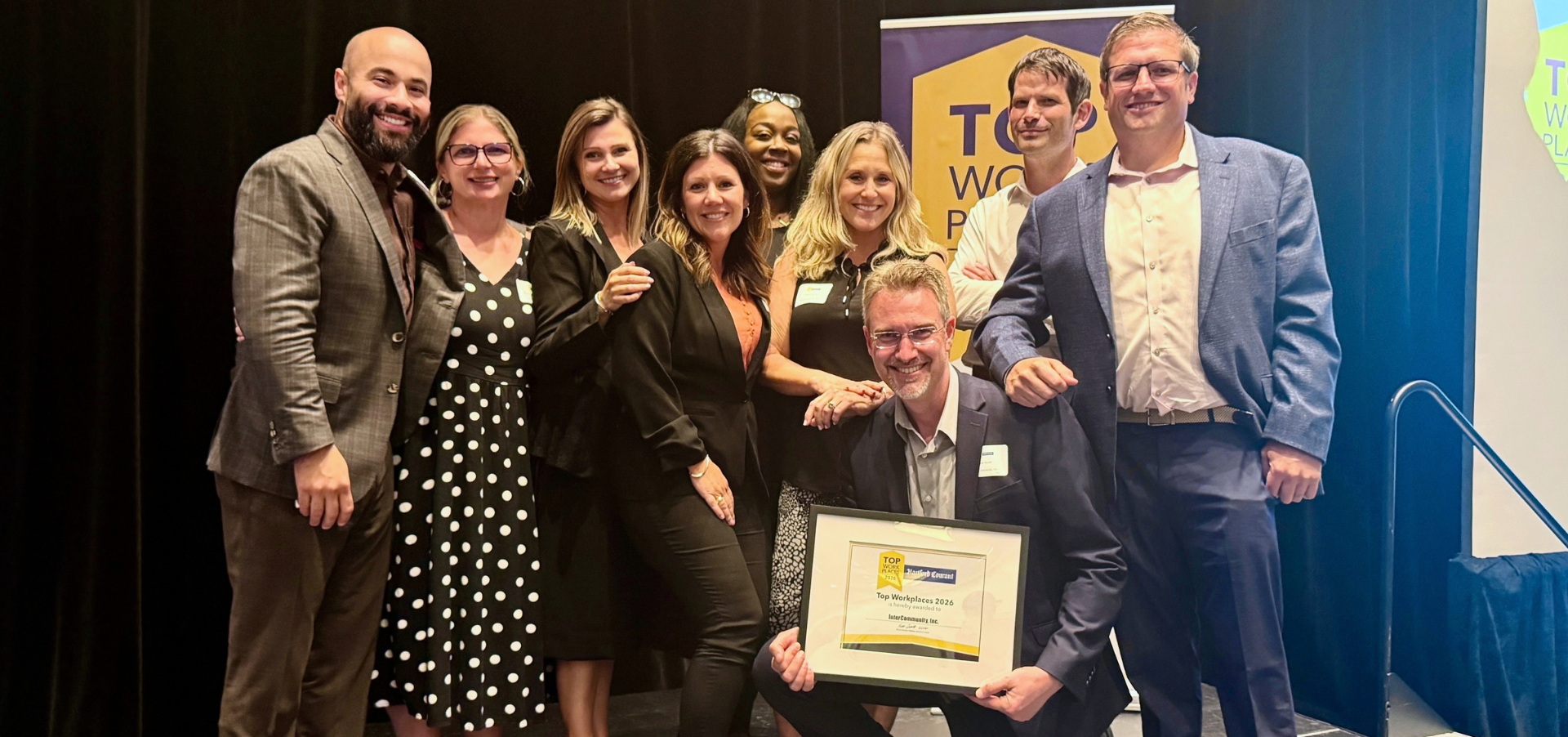
We are proud to officially announce that InterCommunity Health Care has been named a National and Regional Top Workplace once again thanks to staff feedback!

National Recovery Month is an annual campaign held every September to promote evidence-based treatment and recovery practices and support those on the recovery path.

August is National Immunization Awareness Month, a time to highlight the important role vaccines play in protecting people of all ages from preventable diseases.

For those struggling with substance use, asking for help can be a hard step to take; and knowing where to start and where to turn can feel overwhelming. InterCommunity is here to be that first step.

InterCommunity is hosting an all-day community event on 8/6 to celebrate National Health Center Week! Read the history of NHCW and learn more about this free event.
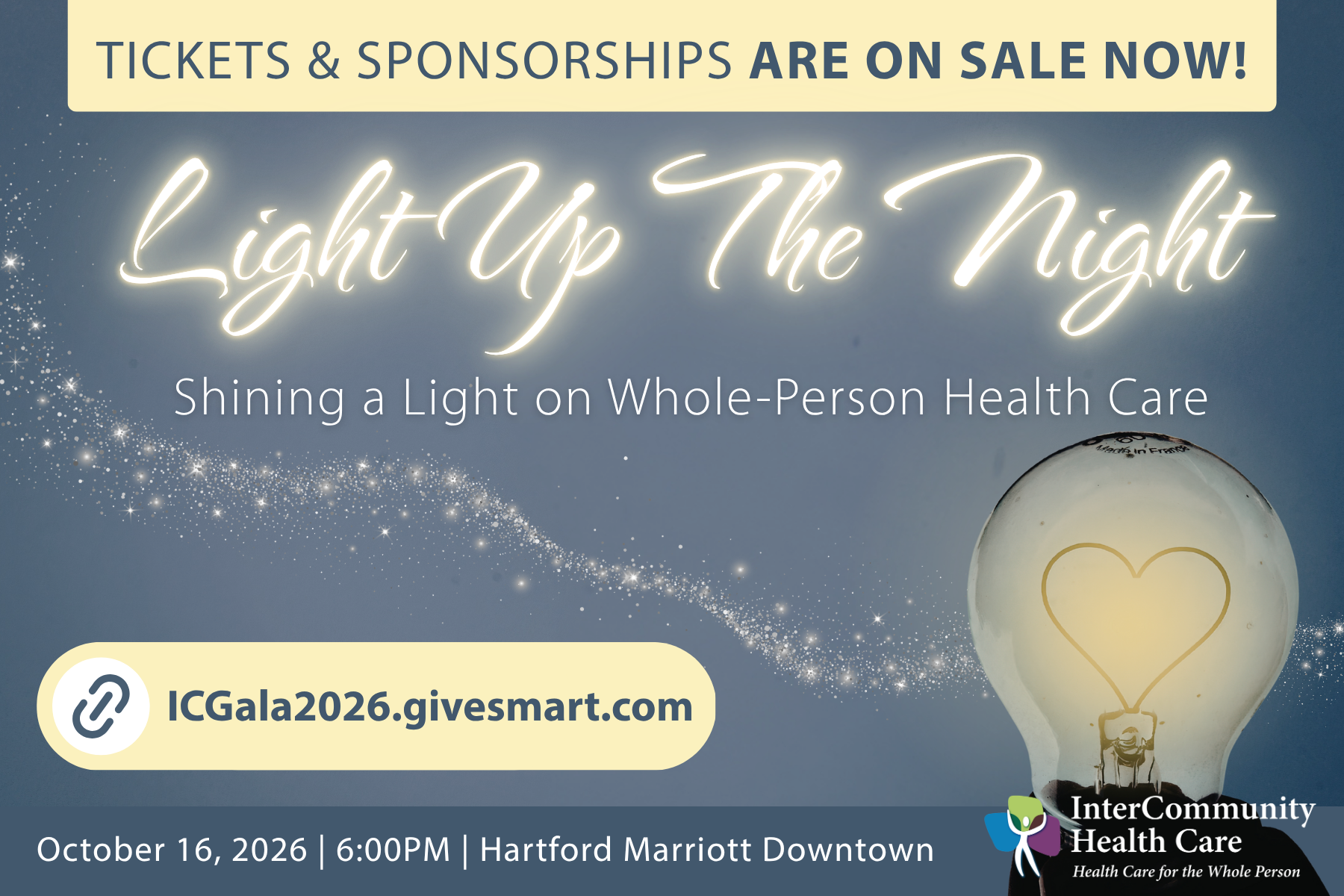
InterCommunity is excited to invite you to support our mission at our annual Signature Gala Event!

InterCommunity emphasizes the importance of mental health alongside physical health. Post-Traumatic Stress Disorder (PTSD) illustrates the significance of this work.

Men avoid going to the doctor even when they think they should. While skipping an appointment might seem harmless, it can mean missing signs of serious conditions.

Men's Health Month is the perfect time to focus on your well-being and ensure you're on track for a healthy future with these five important health screenings.
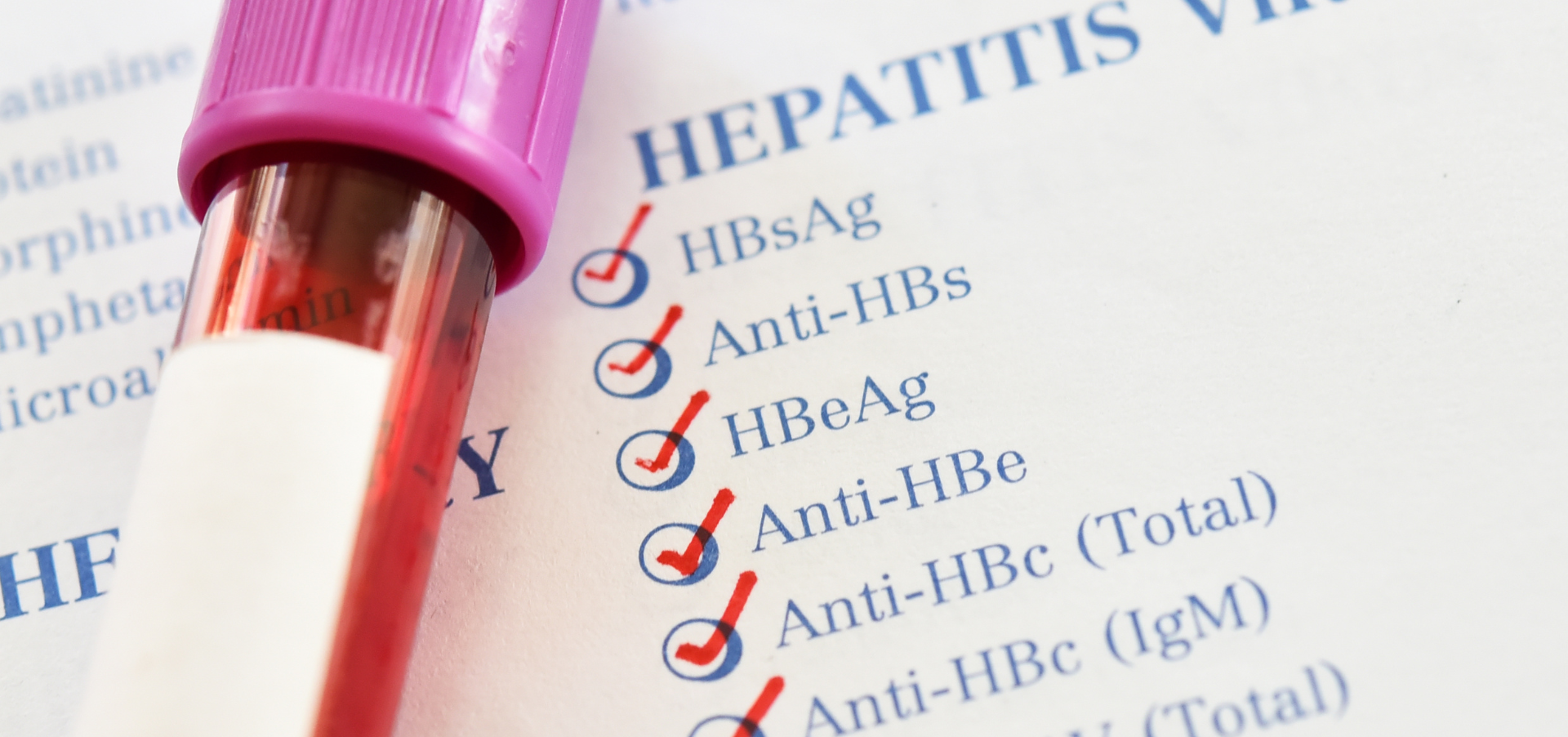
Hepatitis C is often called a “silent” disease because many people who carry the virus feel perfectly healthy, often for years. Yet beneath the surface, the infection can slowly damage the liver as it progresses, leading to serious complications such as cirrhosis, liver failure, or liver cancer. The good news is...