How Managing Stress Impacts Your Heart Health
April 15, 2026
April is Stress Awareness Month—an important time to emphasize the connection between chronic stress and heart disease.
As Stress Awareness Month progresses, health professionals are encouraging the public to examine the often-overlooked impact of chronic stress on the body, particularly on cardiovascular health.
Research indicates that ongoing psychological stress can lead to elevated levels of the stress hormone cortisol over time. A study published in the Journal of the American Medical Association (JAMA) by Cohen, Janicki-Deverts, and Miller (2007) demonstrates that this prolonged elevation can contribute to higher blood pressure, increased inflammation, and heightened risk of cardiovascular issues.
Dr. Zachary Steinbach, Medical Lead at InterCommunity Health Care, explains, “When cortisol levels remain high, the body remains in a continuous state of ‘fight or flight.’ Over time, this can harm the blood vessels, which the heart, and speeds up the development of heart disease.”
The effects of chronic stress extend beyond the heart. Increased cortisol levels have also been associated with impaired immune function, changes in metabolism, and mood disorders. Experts highlight that implementing stress management techniques—such as regular physical activity, mindfulness exercises, and sufficient sleep—can mitigate these risks.
Public health officials aim for Stress Awareness Month to motivate individuals to identify signs of chronic stress and seek help before more severe health issues arise.
InterCommunity offers both individual and group therapy services to help you better manage chronic stress and feel more in control. If you or a loved one could benefit from support, call 860-569-5900 to inquire or schedule an appointment today.

We are proud to officially announce that InterCommunity Health Care has been named a National and Regional Top Workplace once again thanks to staff feedback!

National Recovery Month is an annual campaign held every September to promote evidence-based treatment and recovery practices and support those on the recovery path.

August is National Immunization Awareness Month, a time to highlight the important role vaccines play in protecting people of all ages from preventable diseases.

For those struggling with substance use, asking for help can be a hard step to take; and knowing where to start and where to turn can feel overwhelming. InterCommunity is here to be that first step.

InterCommunity is hosting an all-day community event on 8/6 to celebrate National Health Center Week! Read the history of NHCW and learn more about this free event.

InterCommunity is excited to invite you to support our mission at our annual Signature Gala Event!

InterCommunity emphasizes the importance of mental health alongside physical health. Post-Traumatic Stress Disorder (PTSD) illustrates the significance of this work.

Men avoid going to the doctor even when they think they should. While skipping an appointment might seem harmless, it can mean missing signs of serious conditions.

Men's Health Month is the perfect time to focus on your well-being and ensure you're on track for a healthy future with these five important health screenings.
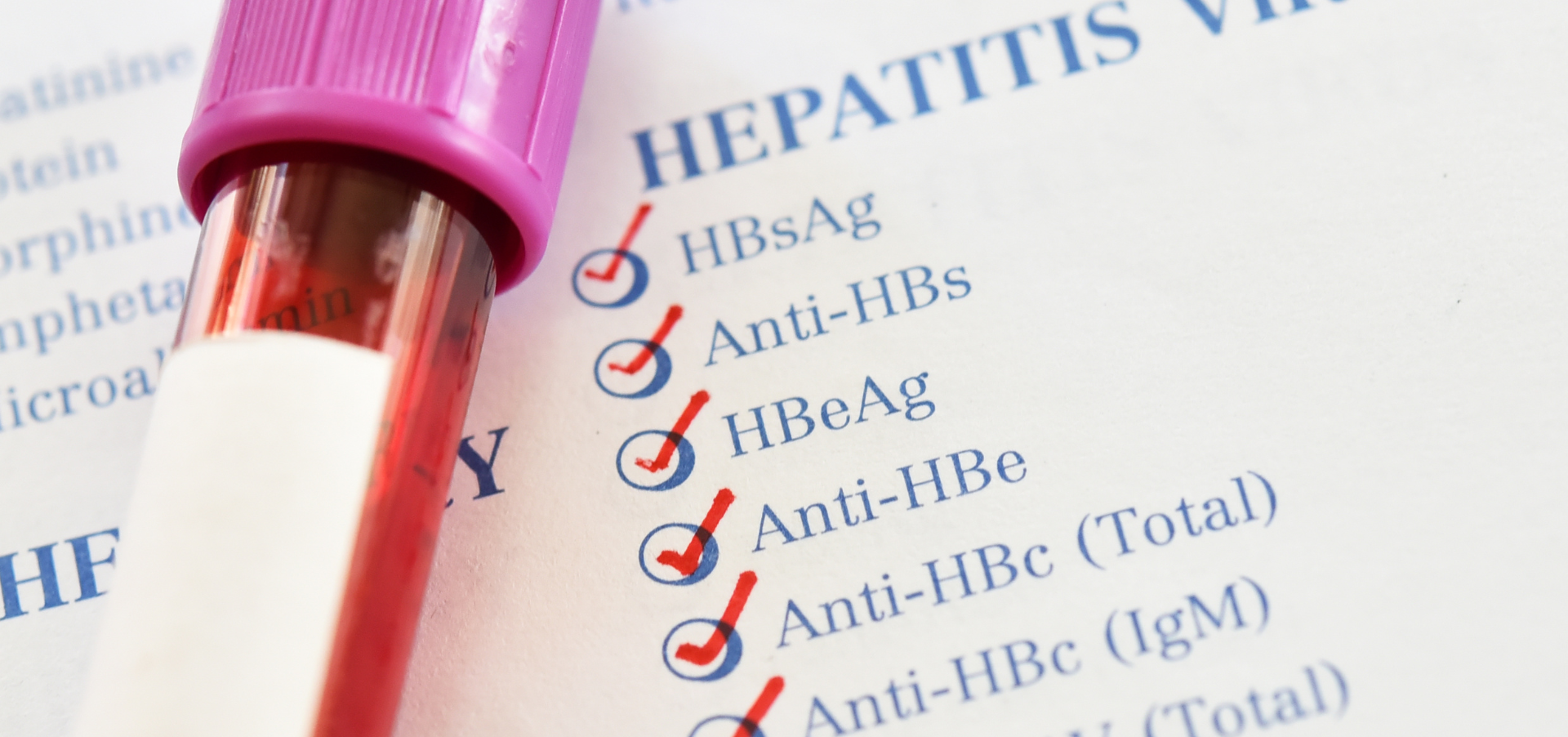
Hepatitis C is often called a “silent” disease because many people who carry the virus feel perfectly healthy, often for years. Yet beneath the surface, the infection can slowly damage the liver as it progresses, leading to serious complications such as cirrhosis, liver failure, or liver cancer. The good news is...